
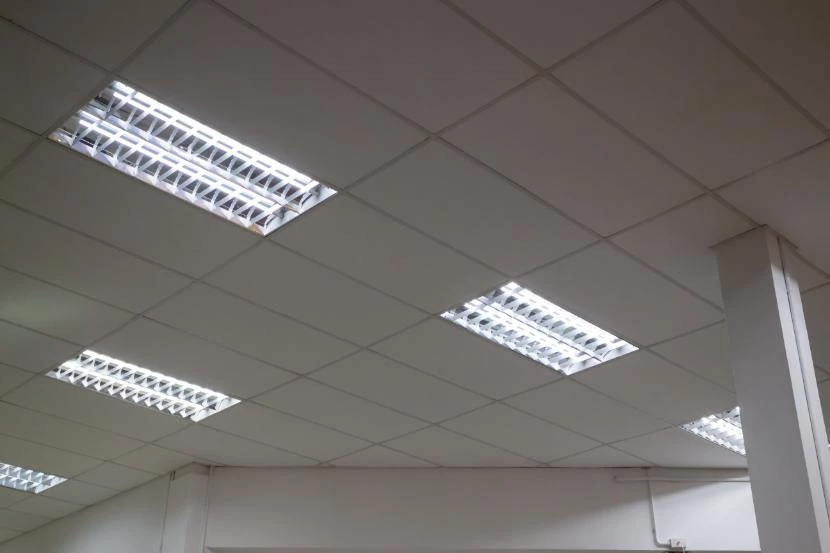
Commercial Building Lighting Costs in Rothwell
Contact UsGood lighting is essential for a safe, comfortable and productive commercial building. Offices, shops, warehouses and other business premises all need lighting that suits their layout, daily activities and operating hours. A well-planned lighting installation can improve visibility, create a better working environment and help manage electricity consumption.
The cost of commercial building lighting depends on the size of the premises, the number of fittings required and the type of lighting selected. A commercial LED lighting installation may cost around £80–£200 per fitting supplied and installed. Specialist industrial fittings, including warehouse high-bay lights, can cost more.
Whether you are fitting out a new commercial space or upgrading an existing lighting system, getting a clear quotation from Bardsley Electrical will help you understand the work involved and plan your budget.
How Much Does Commercial Building Lighting Cost?
Commercial lighting is commonly priced per fitting for smaller replacement projects. Larger installations are usually quoted as a complete project, with the price based on the lighting design, materials, labour and installation requirements.
The following table provides UK prices to help with initial budgeting.
Type of commercial lighting | Estimated cost |
|---|---|
LED tube retrofit using existing fitting | £8–£15 per lamp |
Standard commercial LED panel or batten | £80–£200 per fitting |
Industrial LED high-bay lighting | £150–£400 per fitting |
Office lighting upgrade (10 fittings) | £800–£2,000 |
Office lighting upgrade (20 fittings) | £1,600–£4,000 |
Larger commercial lighting installation | Individually quoted |
The final cost will depend on the specification, site conditions and amount of electrical work required. VAT, specialist access equipment and additional alterations may also affect the quotation.
For example, replacing ten existing office fittings with suitable LED alternatives may cost approximately £800–£2,000. A warehouse project requiring high-bay lighting, elevated access equipment and changes to the existing electrical system will need a larger budget.
An assessment of the building is the best way to determine the number of fittings required and establish an accurate project price.
What Affects Commercial Building Lighting Costs?
No two commercial lighting projects are exactly alike. The following factors can influence the final cost.
Size and Layout of the Building
The size of the premises affects how many lights are needed and how they should be positioned. A small office may only require a modest number of ceiling panels, while a large warehouse or industrial unit could need dozens of high-output fittings.
The building layout also matters. Open spaces, separate rooms, corridors, storage areas and workstations may each have different lighting requirements.
Type of Lighting Fittings
The products selected have a direct impact on the overall price. Standard LED panels and battens are commonly used in offices and commercial interiors, while high-bay fittings are designed for buildings with higher ceilings.
The cost can vary according to:
Light output and energy efficiency.
Colour temperature and light quality.
Fitting size and design.
Expected operating life and product warranty.
Suitability for the building's environment.
Whether specialist or industrial-grade equipment is needed.
Choosing fittings that suit the space can help avoid poor lighting and unnecessary replacement costs.
Existing Wiring and Electrical Infrastructure
If the current electrical system is in good condition, replacing existing fittings may be relatively straightforward. However, older buildings may need wiring alterations, new circuits or improvements to existing connections before the new lighting can be installed.
The condition of the ceiling and mounting points can also affect the work involved. Any additional electrical work should be identified when preparing the quotation.
Installation Height and Access
Lighting installed at ceiling level in a standard office is generally easier to reach than fittings positioned several metres above the floor in a warehouse or industrial building.
High ceilings may require mobile access platforms, lifting equipment or additional safety arrangements. These requirements can increase both labour time and equipment costs.
Lighting Controls and Additional Features
Some commercial buildings need more than basic on-and-off lighting. Depending on the requirements, a project may include dimming, occupancy sensors or daylight controls.
These features add to the initial installation cost but can help reduce unnecessary electricity use. The right control system depends on how each area is occupied and how much natural light it receives.
Working Hours and Business Operations
Lighting work in an occupied building may need to be scheduled around staff, customers or production activities. Evening, weekend or phased installation can help minimise disruption, but restricted working hours may increase labour costs.
Discussing the preferred installation schedule early can help establish a realistic project plan.
How to Get the Best Value from Commercial Lighting
The cheapest quotation is not necessarily the most cost-effective option. Businesses should consider the quality of the fittings, installation requirements and long-term running costs.
A few practical ways to manage your budget include:
Plan the lighting requirements: Decide which areas need new fittings and identify any spaces with poor lighting.
Choose appropriate products: Match the fitting type and light output to the purpose of each room or working area.
Upgrade in planned stages: If a complete installation is not practical immediately, prioritise the areas that need attention most.
Consider energy efficiency: Compare the expected electricity use and lifespan of different products, not just their purchase prices.
Combine installation work: Completing several lighting tasks during one project may help reduce repeated labour and access costs.
Request a detailed quotation: Check whether the price includes materials, installation, testing, removal of old fittings and any additional work.
Taking time to plan the installation can help you achieve suitable lighting without spending more than necessary.
Frequently Asked Questions
Are LED lights suitable for commercial buildings?
Yes. LED lighting is widely used in offices, retail premises, warehouses and industrial buildings. It offers energy-efficient lighting and can reduce the frequency of lamp replacements compared with many older lighting technologies.
Can existing commercial lighting be upgraded?
In many cases, existing lighting can be replaced with LED alternatives. The suitability of a retrofit depends on the condition and compatibility of the current fittings and electrical system. An electrician can assess the installation and advise whether replacing the lamps or complete fittings is the better option.
Why does warehouse lighting cost more than office lighting?
Warehouses often have higher ceilings, larger floor areas and different lighting requirements. High-bay fittings may be needed, and installation can involve access platforms, lifting equipment and additional safety arrangements. These factors can increase the overall project cost.
Do I need a quotation before starting a commercial lighting project?
Getting a quotation before work begins is recommended. It allows you to understand the proposed fittings, labour, installation requirements and expected costs before committing to the project.
Contact Bardsley Electrical for Commercial Building Lighting
If you are planning a new lighting installation or looking to upgrade the lighting in your commercial premises, speak to Bardsley Electrical about your requirements.
Bardsley Electrical is listed as a Bolton-based electrical company serving domestic and commercial customers. Get in touch to discuss the work you need and ask about arranging a quotation for your building.
We cover Rothwell (West Yorkshire)